
Common Mistakes People Make in Legal Notices and How to Avoid Them
The Indian legal system recognises legal notices in several ways: as a means of settling disputes arising under the Indian […]
The Indian legal system recognises legal notices in several ways: as a means of settling disputes arising under the Indian […]
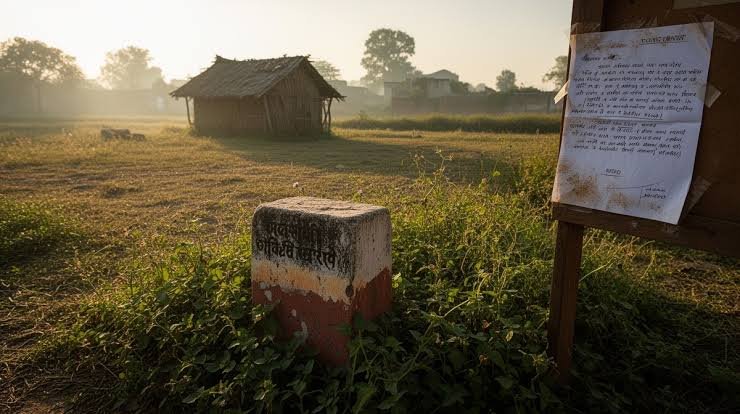
Encroachment, meaning unauthorised occupation of land, is a common problem in both urban and rural Rajasthan. It affects private plots, roads and public utility land alike. Many owners are tempted to remove the encroacher themselves, but self-help is unlawful and can expose the owner to criminal liability.

Money does not always come back as easily as it goes out. When a borrower defaults, a creditor needs a structured way to recover what is owed, and the first formal step is usually a legal notice. A well-drafted notice gives the debtor one last chance to settle, and it creates a clear paper trail if the matter goes to court.

Encroachment, the unauthorised occupation of land, is a major problem in both urban and rural Rajasthan. It affects private plots, agricultural land, roads, and public utilities.³ Victims often face a long legal process, because removing an encroacher by force is not a lawful option. Self-help can invite criminal liability for trespass, which was punishable under Section 447 of the IPC and is now covered by Section 329 of the Bharatiya Nyaya Sanhita, 2023.